Is Your Inspection Report Sitting in a Folder, or Is It Working for You?
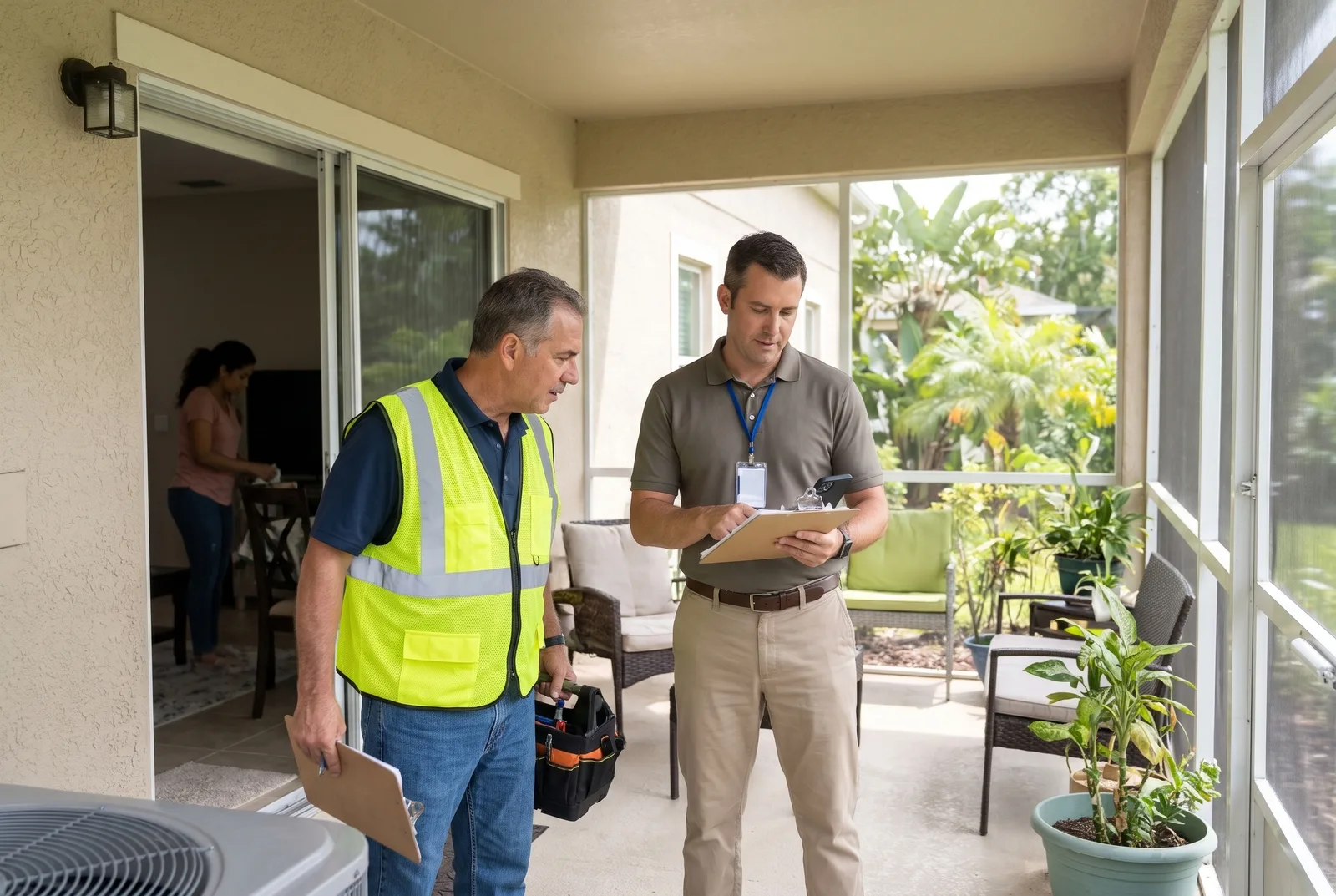
The inspection is done, the photos are taken, and the checklist is complete. Now what? For many owners, that's where the process quietly stalls, and a small leak or worn AC part turns into a bigger bill a few months later.
An inspection only protects your Tampa rental if its findings lead somewhere. That means a clear report, a plan for every issue, the right conversation with your tenant, and records you can find when you need them.
This guide follows an inspection from the moment it ends to the moment every issue is closed out. At Best Rental Services, our team brings 20+ years of experience to rentals across Tampa, Hillsborough County, Pinellas, Pasco, and the greater Tampa Bay area.
Key Takeaways
- The report is the real product: Dated photos and written notes turn a walk-through into evidence you can use.
- Sort findings by urgency: Safety and habitability issues come first, followed by preventive and cosmetic items.
- Know who's responsible: Florida law separates landlord duties from tenant obligations, which affects who pays for each repair.
- Follow-up visits need notice too: Florida requires at least 24 hours' notice before entering to make repairs.
- Good records protect your deposit: Inspection history supports deposit claims, insurance questions, and budget planning.
Step 1: Turn Findings Into a Clear Report
A good inspection report gives you the full picture without needing to visit the property yourself.
Photos With Context
Every photo should show a date and a clear location, like "primary bathroom, under sink." Close-ups help, but a wider shot shows where the issue sits in the room.
Plain-Language Notes
Each finding should describe what was observed, how serious it looks, and what's recommended. "Water staining on ceiling below AC closet; recommend HVAC drain line check" is far more useful than "stain on ceiling."
Comparison to the Last Visit
The most valuable reports compare current conditions to the move-in record or last inspection. That's how you spot slow changes, like worsening caulk or carpet wear, before they become costly.
Step 2: Sort Issues by Urgency and Responsibility
Not every finding needs action today. Sorting helps you spend money where it matters most.
Urgent: Safety and Habitability
Florida's Section 83.51 requires landlords to comply with applicable building, housing, and health codes. In single-family homes and duplexes, landlords must also install working smoke detection devices at the start of a tenancy. Issues in these areas go to the top of the list.
Preventive: Small Problems With Big Potential
In Tampa's heat and humidity, a clogged AC drain line, failing caulk, or minor roof wear can quickly lead to water damage or mold. Fixing these early keeps repair costs predictable.
Cosmetic: Plan and Budget
Worn paint or dated fixtures can often wait for the next turnover, when repairs are easier to schedule and won't disrupt your tenant.
Who Pays for What
Section 83.52 requires tenants to keep their unit clean and sanitary, use appliances reasonably, and avoid damaging the property. Damage beyond normal wear may be the tenant's responsibility, depending on your lease.
An inspection doesn't save you money. What you do with the findings does.
Step 3: Approve, Schedule, and Complete Repairs
Once priorities are set, the next step is getting work done quickly and at a fair price.
Owner Approvals
Set clear rules for which repairs need your approval and which can move forward right away. Fast approvals keep small repairs from growing while you wait on quotes.
Trusted Vendors
Our maintenance services rely on a trusted vendor network that offers quality work at competitive pricing. We manage communication between tenants, vendors, and owners from start to finish.
Verify the Work
Ask for after photos or a quick follow-up check on larger repairs. Confirming the job was done right prevents repeat service calls.
Step 4: Communicate With Your Tenant
Tenants are part of the process, and clear communication keeps the relationship positive.
Give Proper Notice for Repair Visits
Section 83.53 requires at least 24 hours' notice before entering to make repairs, between 7:30 a.m. and 8:00 p.m. Emergency entry to protect the property is the exception.
Address Lease Violations in Writing
If the inspection reveals a lease issue, such as unauthorized pets or tenant-caused damage, document it and follow up in writing. Written notices create a clear record if the issue continues.
Respond to Tenant Concerns
Under Section 83.56, a tenant may end the lease if a landlord materially fails to comply with their obligations and the problem continues seven days after the tenant's written notice. Acting quickly on inspection findings helps you avoid that situation.
Step 5: Close the Loop With Records
The final step turns each inspection into part of your property's long-term history.
Store Everything in One Place
Keep reports, photos, invoices, and tenant notices together. Vendor invoices and receipts are included with our monthly owner statements and available in the owner portal through our accounting services.
Use Records at Move-Out
Under Section 83.49, a landlord who plans to claim part of a deposit must send written notice within 30 days after the lease ends. Inspection history makes that claim much easier to support. Learn more in our guide to security deposit rules and limits.
Plan Next Year's Budget
Patterns from past inspections show which systems are aging, so you can plan replacements instead of reacting to breakdowns.
Frequently Asked Questions
Here are answers to questions Tampa owners often ask about inspection follow-up.
- Safety and habitability issues should be handled right away. Preventive items are best scheduled within a few weeks, and cosmetic items can usually wait for turnover.
- It depends on the cause and your lease. Damage beyond normal wear caused by the tenant may be their responsibility, while normal aging is typically the owner's cost.
- Yes. Florida requires at least 24 hours' notice before entering to make repairs, unless it's an emergency to protect the property.
Turn Every Inspection Into Lasting Protection
An inspection is only as valuable as the follow-through behind it. When findings become clear reports, prioritized repairs, and organized records, you protect your property, your tenant relationship, and your deposit claims.
Ready to Put Your Inspection Reports to Work?
Best Rental Services handles inspections and follow-up for owners across Tampa Bay. Call us at 813.392.3329 or contact us to see how our owner resources can support your rental.
Contact Us