
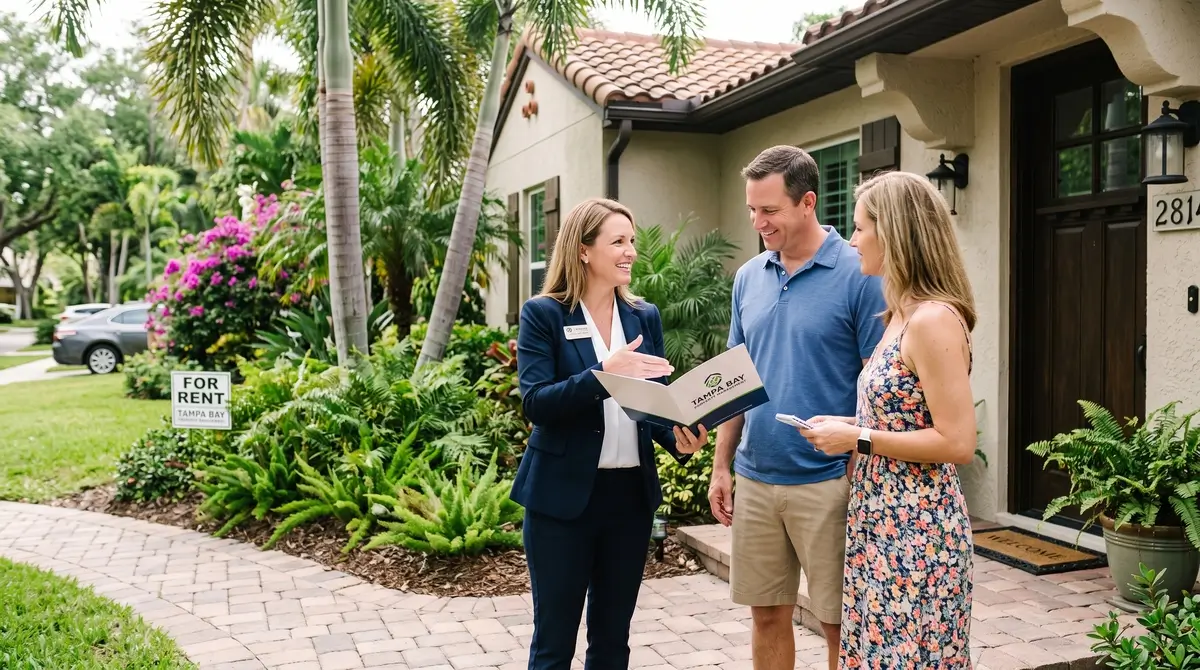
Signing with a Tampa property manager usually brings relief, followed quickly by a new set of questions about paperwork, tenants, and timelines. Owners who weigh the benefits of professional management often focus on the result and overlook the handoff in between. The good news is that onboarding follows a clear path, from a signed agreement to a qualified tenant moving in. The details shift slightly for single-family homes, multifamily buildings, HOA community units, and vacation rentals. Still, the core stages stay the same. Here is how each one unfolds.
Key Takeaways
- A complete owner file, including insurance proof and HOA details, helps management begin without delays.
- Vacant, occupied, and transferred properties each follow a slightly different onboarding path.
- Maintenance approval thresholds let you decide how involved you want to be in routine repairs.
- Consistent screening and a photo-documented move-in inspection protect your property before the first rent payment arrives.
Getting Started with Your Management Agreement
Reviewing the Agreement and Gathering Documents
Your journey begins with the management agreement. Before signing, confirm which services are included and what leasing and renewal fees apply. You should also know how maintenance approvals work, what reports you will receive, and how communication will be handled. From there, you will provide ownership details, property information, current or expected rent, HOA contacts, and your pet preferences.
Insurance and Your Start Date
Property managers typically require proof of landlord insurance before management begins. Tampa owners should review windstorm and flood protection with their agent, since flood coverage usually requires a separate policy. Once your documents and signed agreement are in, a vacant property can often move forward right away. Occupied or transferred properties may need a few weeks to fully transition.
Onboarding Paths for Vacant, Occupied, and Transferred Properties
Vacant and Owner-Occupied Homes
Vacant homes usually move directly into rent-ready preparation. If you still live in the property, your manager can schedule the walkthrough, repairs, and marketing prep around your move-out date. That way, the home can list as soon as you leave.
Occupied Homes and Existing Leases
Your tenant's current lease stays in place when management changes hands. Your manager reviews its terms, introduces themselves to the tenant, and explains how to pay rent and request repairs going forward. Security deposits need careful attention here, since Section 83.49 of the Florida Statutes sets rules for how deposits are held and how tenants are notified. Expect your manager to confirm the deposit amount, where the funds are held, and which records support it.
Switching from Another Management Company
If another company manages your rental today, your new manager coordinates the transfer. This typically includes leases, keys, deposit records and funds, vendor details, and open work orders. A well-organized handoff keeps disruption to your tenant at a minimum.
Setting Up Your Owner Systems
Owner Portal and Payouts
Many property managers give owners access to an online portal with monthly statements, income and expense reports, and year-end summaries for tax preparation. Onboarding is also when you set up how you will receive payouts, which is typically by direct deposit.
Maintenance Approvals and Emergency Reserves
You decide how involved you want to be in repairs. Some owners approve every work order, while others set a dollar threshold so routine requests move quickly. Many managers also hold a small maintenance reserve per unit. This covers urgent issues, such as leaks, that could cause more damage if left waiting.
Utilities and HOA Requirements
Tenants typically place utilities in their own names. In HOA and condo communities, some services may stay with the owner, such as water, trash, or lawn care. In those cases, your manager may bill tenants a flat fee or share to help you recoup the costs. Many Florida associations also have leasing rules or tenant approval requirements. A good manager reviews these before your home is listed.
Preparing and Pricing Your Property for the Tampa Rental Market
The Rent-Ready Walkthrough
Before listing, your manager walks through the property to identify repairs and updates that could slow leasing. Handling these priorities early helps your home show well and reduces maintenance calls after move-in.
Pricing and Marketing Your Rental
Rent is typically set by comparing your property against similar Tampa rentals and current market conditions. A free rental analysis offers a helpful starting point. From there, a strong rental property marketing approach reaches qualified renters through quality listings, online advertising, and coordinated showings. Some managers back this work with leasing guarantees. Ask what protections apply if your home sits vacant longer than expected.
Screening and Placing a Qualified Tenant
Consistent Applicant Screening
A thorough tenant screening process applies the same qualifying criteria to every applicant. Screening typically covers identity verification, criminal history, eviction records, credit, income, and employment. Using 1 standard for everyone helps support fair housing compliance.
Pets and Assistance Animals
Allowing pets is your choice, and doing so often widens your applicant pool. Service animals and emotional support animals are handled separately, since fair housing rules generally do not treat them as pets. When a disability-related need is not obvious, you can still request reliable documentation. Ask your manager how pet damage is handled. Some companies offer added protection beyond the security deposit.
Move-In Requirements
Before receiving keys, tenants typically pay the security deposit and first month's rent. They also show proof of utility setup and renters insurance, then sign the lease. A photo-documented move-in inspection records the property's condition before move-in day.
Your Role and Communication after Tenant Placement
Tenant placement hands off the daily work to your manager. You still keep authority over major repairs, capital improvements, and long-term investment strategy. You also choose how involved you want to be in smaller decisions. Expect regular updates through your owner portal, along with periodic property inspections and a check-in before the lease renewal date.
FAQs
1. Will my current tenant need to sign a new lease?
No, the existing lease stays in place when a new property manager takes over. Your manager reviews its terms and tells the tenant how to pay rent and submit repair requests going forward.
2. What happens to my tenant's security deposit if I switch management companies?
The deposit records and funds are typically transferred as part of the handoff. Your new manager then confirms the amount and where it is held, following Florida's deposit rules.
3. Can I refuse an applicant with an emotional support animal?
In most cases, no, because fair housing rules do not treat service animals or emotional support animals as pets. You can still request reliable documentation when a disability-related need is not obvious.
4. Should I keep money set aside for emergency repairs?
Yes, many property managers hold a small maintenance reserve per unit to cover urgent problems like leaks. Setting an approval threshold also lets routine repairs move forward without waiting on you.
The Quiet Work That Protects Your Tampa Rental Long after Move-In
Most owners measure a property manager by how quickly a tenant moves in. The stronger measure is what happened before the listing went live. Organized records, agreed approval limits, and a documented move-in condition are what make future renewals, repairs, and move-outs uneventful. Onboarding is where a management relationship earns its value, well before any problem has a chance to surface.
At Best Rental Services, we bring decades of real estate experience to every property we manage. Our team works with single-family homes, multifamily buildings, HOA communities, and vacation rentals across Tampa. When you are ready to hand off the details, our Tampa property management services can take your rental from a signed agreement to a settled tenant.